
Clicky

Jump to content

AZA Pro Phoenix Foundation experts

602.568.5739

602.568.5739

  • Home
  • Other Services
    • Foundation Certification Inspection
    • Construction Draw Inspections
  • Inspection Request
  • Contact

► SCHEDULE YOUR INSPECTION NOW ►

▼ READ MORE BELOW ▼

A professional foundation inspection can save that "sinking" feeling!

Phoenix FHA & HUD Foundation Inspection
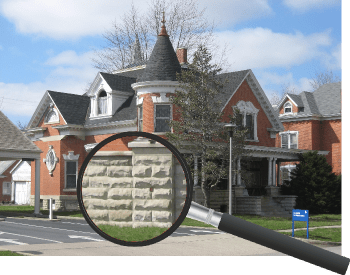
Home inspector near me PhoenixPhoenix house & foundation inspections.

AZAPRO proudly offers specialty inspections in the housing, property, construction, and moving industries. We are an independent and unbiased field service provider for customers, lenders, and insurance adjusters alike.

Please feel free to contact us for more information on any of the following services we offer. AZAPRO and its network of industry professionals will help fulfill your needs, or do our best to refer you to someone who can!

FHA Compliance Inspection

An FHA Compliance inspection may be required by the lender for mortgage risk protection on loans insured by FHA. We inspect and report on the property meeting FHA/HUD MPS (minimum property standards) and/or the completion of repairs made to the property in order to satisfy minimum property standards.

FHA Foundation Certification

An FHA/HUD Foundation certification may be required on new or existing manufactured homes to assure that proper installation, anchoring, and other requirements are met to satisfy FHA lending requirements.

Manufactured Home Foundation Certifications

Manufactured Home Foundation CertificationsIf you are selling or buying a manufactured home, then most likely a foundation certification will be required. For all FHA and VA loans, an engineer's foundation certification is required that states that the home is placed on a permanent foundation that complies with the "HUD Permanent Foundation Guide for Manufactured Homes", dated 1996 by the US Department of Housing and Urban Development (HUD).

We have partnered with the engineers at Foundation Certifications to provide a turn-key foundation certification service to you. You may place your order online by going to http://www.FoundationCerts.com/order.

We are based in Avondale, Arizona and specialize in the Phoenix west valley area, but also serve the entire Greater Phoenix Metropolitan Area with an emphasis on superior quality and fast service. We understand that the potential purchase or sale of a building can rest on the prompt outcome of a foundation inspection and AZAPros delivers!

Moving & Transit Damage Inspections

(aka: “What happened to my stuff?!”)

Moving is supposed to be exciting. New place, fresh start, new memories. And then you open a box and see it: the cracked TV screen, the dented dresser, the lamp that definitely did not look like that before. 😬

Enter the hero of this story: the Moving and Transit Damage Inspection.

It’s not dramatic. It’s not scary. And it can make a huge difference when it comes to claims, reimbursements, and getting things made right.

Let’s talk about it.

What is a moving and transit damage inspection?

A moving and transit damage inspection is a professional assessment of items that were damaged while being moved or shipped. This can apply to:

  • Household moves
  • Long-distance relocations
  • Storage transfers
  • Freight or specialty item shipping

The goal is simple: document what was damaged, how, and to what extent, in a clear, unbiased way.

Translation: receipts > arguments.

Why these inspections matter (a lot)

When something gets damaged in transit, emotions can run high. But movers, carriers, and insurance companies all want the same thing: proof.

A proper inspection:

  • Documents visible damage
  • Confirms whether damage is consistent with transit handling
  • Separates pre-existing wear from new damage
  • Supports insurance or carrier claims

Without documentation, you’re often stuck in a frustrating game of “they said / you said.” With an inspection, you’ve got facts on your side.

What gets inspected?

Pretty much anything that moved and didn’t love the experience.

Common items include:

  • Furniture (scratches, breaks, structural damage)
  • Electronics (screens, internal damage, power issues)
  • Appliances
  • Artwork, mirrors, and antiques
  • Specialty items like pianos, gym equipment, or collectibles

Inspectors look closely, take photos, and note condition in detail—because details matter when claims are on the line.

When should the inspection happen?

Sooner is better.

Most carriers and insurers have strict time limits for reporting damage. Scheduling an inspection quickly helps:

  • Preserve evidence
  • Prevent further damage
  • Speed up the claims process

Bonus: it also gives you peace of mind instead of staring at the damage wondering what to do next.

What this inspection does not do

Let’s keep expectations realistic.

A moving and transit damage inspection does not:

  • Repair the item
  • Automatically approve a claim
  • Assign blame in emotional terms
  • Turn back time (sadly)

What it does do is give everyone a clear, professional snapshot of the situation.

The surprisingly good part

Here’s the upbeat twist: most people feel relieved after this inspection.

Why?

  • You’re no longer guessing
  • You have documentation
  • The process starts moving forward
  • You’re not stuck fighting with photos on your phone
  • It turns chaos into a plan—and that’s a win.

Bottom line

Stuff happens during moves. Even with the best movers and the best intentions, things can go sideways. A Moving and Transit Damage Inspection helps turn an “oh no” moment into an “okay, let’s handle this” solution.

It’s calm. It’s clear. And it gives you the backup you need when your belongings don’t arrive quite the way they left.

Construction Draw Inspections

(aka: “Yes, the bank really wants to see it”)

If you’re building a house, doing a big renovation, or taking on a construction loan, you’re going to hear the term Construction Draw Inspection sooner rather than later. And if your first reaction is, “Wait… another inspection?”—you’re not alone.

The good news? This one isn’t about nitpicking your work or slowing things down. It’s mostly about money. Specifically: when it gets released.

Let’s break it down without the construction-lingo headache.

What is a construction draw inspection?

A construction draw inspection is a progress check performed during construction to confirm that the work tied to a specific loan “draw” (payment) has actually been completed.

In plain terms:

  • The builder says, “We’re done with this phase.”
  • The lender says, “Cool, prove it.”
  • An inspector shows up, looks around, and verifies progress.
  • The lender releases the funds.

No inspection = no money. Simple as that.

Why lenders require them

Banks aren’t being annoying just for fun. They’re protecting their investment.

They want to make sure:

  • The project is moving forward
  • The work matches the loan schedule
  • Funds are being used for actual construction (not… other things)
  • The property value is being built as planned

Basically, they don’t want to pay for framing if there’s still just dirt and good intentions on-site.

What inspectors are checking

This isn’t a full code inspection or a deep quality review. It’s more of a “status update with photos.”

Inspectors typically verify:

  • Completed phases (foundation, framing, rough-ins, etc.)
  • Percentage of completion
  • Materials on-site (if they count toward the draw)
  • Obvious red flags or incomplete work

They’ll often take photos and compare what they see to the draw schedule provided by the lender.

What a draw inspection does not do

Important distinction here.

A construction draw inspection does not:

  • Guarantee the quality of workmanship
  • Replace city or county inspections
  • Catch hidden defects
  • Approve or reject design choices

If something looks obviously wrong, it’ll likely be noted—but the inspector isn’t there to critique your builder’s craftsmanship or play building department.

How often do draw inspections happen?

That depends on the loan, but most projects have multiple draws, such as:

  • Foundation complete
  • Framing complete
  • Rough plumbing/electrical/HVAC
  • Drywall
  • Substantial completion

Every draw usually means… yep, another inspection.

How long it takes (and how fast money moves)

Most draw inspections are quick—often 15 to 45 minutes on-site.

Once the report is submitted:

  • Some lenders release funds in a day or two
  • Others take longer (because, banks)

Pro tip: scheduling the inspection after the work is truly complete saves everyone time and prevents delays.

Common mistakes that slow things down

These pop up all the time:

  • Requesting a draw before the phase is actually done
  • Incomplete work that “almost counts”
  • Missing documentation
  • Poor access to the site

Remember: “Basically finished” is not the same as “finished” in lender land.

Bottom line

Construction draw inspections are less about judging your project and more about keeping the money flowing in the right order. Think of them as checkpoints—slightly annoying, mildly bureaucratic, but ultimately there to protect everyone involved.

If the work is done, the inspection is usually painless.

If it’s not… the inspection will absolutely notice.

FHA 90-Day Flip Inspection

(aka: “Yes, they really are checking”)

If you’re buying a recently flipped home with an FHA loan, there’s one extra hoop you’re going to hear about pretty quickly: the FHA 90-Day Flip Inspection. And yes—despite how it sounds—it’s not a myth, a scare tactic, or a lender being dramatic. It’s very real, very specific, and very “FHA doing FHA things.”

Let’s talk about what it is, why it exists, and why it doesn’t have to be a big deal.

First: what does “90-day flip” even mean?

In FHA-speak, a flip is when a property is resold within 90 days of the seller buying it. If that’s the case and you’re using an FHA loan, the lender is required to get an additional inspection on top of the standard appraisal.

This rule exists because—historically—some very shady “lipstick-on-a-pig” flips happened, and FHA decided, “Absolutely not on our watch.”

Fair enough.

So what is the FHA 90-Day Flip Inspection?

It’s a visual, non-invasive inspection performed by a qualified inspector to confirm that:

  • The property is safe
  • The work appears complete
  • There are no obvious health or safety issues
  • The flip wasn’t rushed, sloppy, or purely cosmetic

Think of it as a second set of eyes saying, “Yep, this place looks like someone cared.”

What inspectors focus on (spoiler: not the paint color)

They’re not there to judge the backsplash or debate open shelving. They’re looking at things that matter:

  • Structural components (foundation, framing, signs of movement)
  • Roofing (missing shingles, obvious defects)
  • Electrical (exposed wiring, unsafe conditions)
  • Plumbing (visible leaks, improper installs)
  • HVAC (basic operation and visible issues)
  • Health & safety items (handrails, trip hazards, missing smoke detectors)

If walls were moved, systems were altered, or major work was done, the inspector is making sure it looks legitimate—not like it was finished at 2 a.m. the night before closing.

What this inspection is not

Let’s clear up some confusion, because this is where people spiral.

An FHA 90-Day Flip Inspection is not:

  • A full home inspection replacement
  • A code compliance inspection
  • A warranty on the renovation
  • A guarantee that nothing will ever break

It’s a snapshot in time. If something is hidden behind walls or underground, it’s outside the scope.

Why lenders care so much (and why you should too)

From the lender’s point of view, this inspection protects them from lending on a house that’s about to unravel.

From your point of view?

  • It protects you from buying a beautifully staged disaster.
  • If something major shows up now, it’s way better to find out before you sign your name 47 times at closing.

Does it delay closing?

Usually? No.

Occasionally? A little.

Most inspections are completed quickly, and reports come back fast. Delays usually happen only if:

  • A serious safety issue is found
  • Repairs are required
  • Documentation is missing

In those cases, the inspection isn’t the problem—the problem is the problem.

The good news

Most flips pass just fine—especially the ones done by reputable investors who know FHA rules and don’t cut corners.

And if it passes? You move forward with a lot more confidence knowing someone double-checked the work.

Bottom line

The FHA 90-Day Flip Inspection isn’t there to ruin your deal. It’s there to make sure your “newly renovated dream home” isn’t secretly held together by hope and fresh paint.

It’s one extra step, one extra report, and a whole lot of extra peace of mind.

Page 1 of 2

  • 1
  • 2

Home | Inspection request | Privacy policy | Contact

Phoenix Website Design by CitrusKiwi | Sitemap

© 2016-2026 AZA Pro  | All rights reserved.